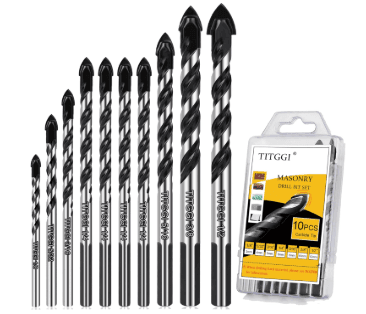
If you’ve ever built furniture, cabinets, or even simple DIY shelves, you’ve likely heard about pocket hole joinery. It’s a fast and surprisingly strong way to join wood without complex traditional joints. But is a pocket hole jig really worth the investment for your workshop? Let’s break down the value, limitations, and which models make the most sense for your projects.
What Exactly Is a Pocket Hole Jig?
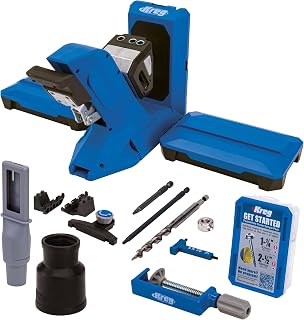
Kreg Pocket-Hole Jig 720PRO
Check PriceA pocket hole jig is a drilling guide that lets you create angled holes for screws, hidden on the inside of a joint. The jig, typically made of hardened steel or durable plastic, clamps onto your workpiece and directs a special stepped drill bit. This produces a pocket with a shoulder that the screw head seats against, pulling the pieces tightly together. The result is a clean, strong joint that requires no glue, though glue is often added for extra durability.
How Pocket Hole Joinery Works
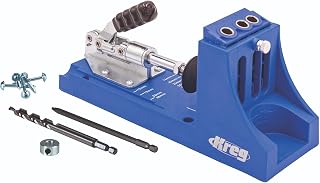
Kreg Pocket Hole Jig K4
Check PriceThe magic lies in the steep 15 degree entry angle and the flat bottomed pocket. A stepped drill bit creates both the pilot hole for the screw thread and a wide counterbore for the screw head in one pass. When you drive a washer headed screw into the pocket, the angled force draws the mating board tight against the other piece. This mechanical lock creates instant clamping pressure, eliminating the need for bar clamps while the glue dries, according to woodworking experts at This Old House.
Unlike doweling jigs that require perfectly perpendicular plunges, the pocket hole drill guide eliminates guesswork. The angled bushing aligns the step drill precisely, so every pocket is identical in depth and angle. This repeatability is why production shops rely on pocket holes for batch work. It also means you can stack several jigs on a workbench to drill multiple parts without resetup.
Key Benefits of Using a Pocket Hole Jig
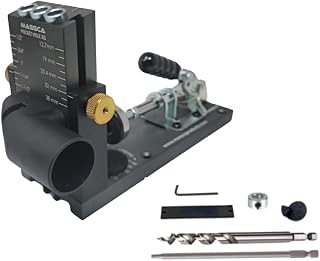
Massca Pocket Hole Jig Kit M1
Check PriceSpeed is the number one advantage. You can drill, screw, and assemble a cabinet face frame in minutes, without waiting for glue to set. The joints are incredibly precise every time, because the jig locks the drilling angle and position. Even novice DIYers can achieve professional looking results on their very first project.
Pocket hole joinery is also extremely versatile. It works on plywood, solid wood, MDF, and even some composites. You can use it for butt joints, corner joints, edge to edge joining, and attaching face frames. Because screws are hidden on the back or underside of a project, the visible surfaces remain free of fasteners and putty.
Another often overlooked benefit is the ability to disassemble and reassemble projects during dry fitting. With pocket screws, you can temporarily screw a joint together, check for square, then back the screws out and make adjustments. This is nearly impossible with glued dowels or biscuits, and it greatly reduces waste from miscut joinery.
Where Pocket Hole Joinery Falls Short
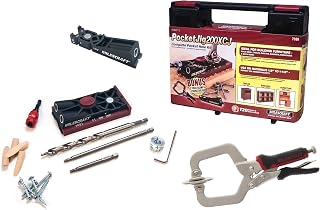
Milescraft Pocket Jig 200XCJ
Check PriceDespite its speed, pocket hole joinery is not ideal for every application. The angled screw can cause slight lateral shifting as it tightens, which may pull the joint out of perfect alignment unless you clamp carefully. The pockets themselves are large and unsightly, so they must be placed on concealed faces. For fine furniture with exposed joinery or heirloom pieces, traditional mortise and tenon joints provide a more refined appearance and greater long term strength.
Pocket holes also consume significant edge width; they aren’t suitable for narrow stock under 1.5 inches. The screw head can protrude into thin materials, leaving a weak spot. Plus, repeated assembly and disassembly wears out the screw hole threads in softwoods. For highly visible face frames on fine cabinetry, some woodworkers prefer to plug the pocket holes with store bought plugs for a seamless look.
Cost Analysis: Is It Worth the Money?
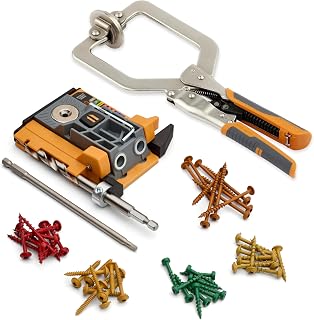
BORA Automatic Pocket Hole Jig Kit
Check PricePocket hole jigs range from under $20 for simple two hole guides to over $200 for full production benches. Even the most expensive units pay for themselves quickly if you build frequently. Compare a $150 jig system to a $600 domino joiner; the jig handles 90% of joinery tasks at a fraction of the cost. For hobbyists and pros building cabinets, bookshelves, and tables, the return on investment is undeniable.
If you build only occasionally, a basic single hole jig for $25 paired with a drill you already own covers most tasks. As your project volume grows, stepping up to a system with integrated clamping and dust collection saves enormous time. The higher upfront cost of a premium jig frequently translates into labor savings that make it profitable for small business woodworkers.
Pocket Hole Jig vs. Dowel Jig: Which One Wins?
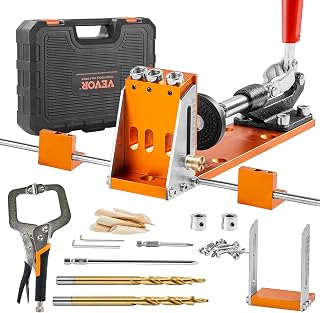
VEVOR Pocket Hole Jig Kit 34 Pcs
Check PriceDowel jigs produce strong, invisible joints using wooden pins, but they require precise alignment and glue. Pocket hole screws pull boards together mechanically with no glue needed, though you can add it. The dowel joint looks cleaner because there are no visible pockets, but the process is slower and less forgiving. If speed and simplicity are your priorities, the pocket hole jig easily takes the lead.
For load bearing structures like chair rails, dowels often offer superior racking resistance. Yet for cabinet boxes and face frames, pocket screws provide more than enough strength. Many woodworkers keep both tools in their shop and choose based on the project. Dowels shine where absolute invisibility is required; pocket holes dominate when you value speed and adjustability.
Modern pocket hole jigs now offer adjustable fence heights and built in material thickness gauges that rival dowel jig precision. While dowels excel in permanent, invisible edge joining, pocket screws let you clamp across wide panels without specialty clamps. Ultimately, many shops find that owning both tools covers all joinery scenarios without breaking the bank.
Best Pocket Hole Jigs for Beginners and Pros
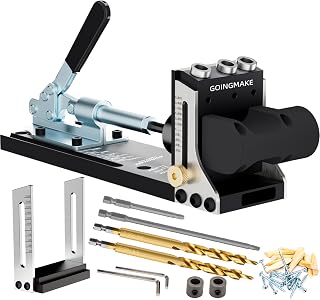
GOINGMAKE All Metal Pocket Hole Jig Kit
Check PriceThe latest generation of jigs, like the Kreg 720PRO, feature automatic clamping and an easy adjust dust port. These upgrades eliminate the need for separate face clamps and keep your workspace clean. For those who value portability, ultralight pocket hole machines allow you to take the jig to the workpiece instead of wrestling large sheet goods onto a bench.
The market is flooded with options, from ultra portable jigs like the Kreg 320 to full bench systems like the Kreg 720PRO. Beginners often start with an affordable kit that includes a drill bit, screw assortment, and face clamp. Unless you produce dozens of joints daily, a midrange jig with dust collection and quick clamping will serve you for years. For a deep dive into the top performers, see our guide on the best pocket hole jigs for all skill levels.
How to Use a Pocket Hole Jig Effectively
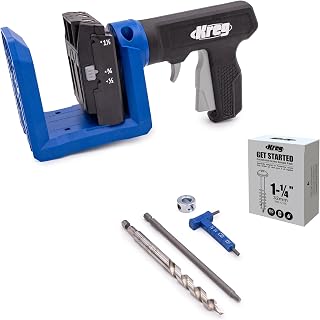
Kreg Pocket-Hole Jig 520
Check PriceAfter drilling, align your boards and drive the screw until the joint pulls tight; you’ll see the wood squeeze together immediately. Avoid overtightening, which can strip the pocket or bulge the material. For the strongest bond, apply a thin bead of wood glue to the mating surfaces before driving the screws. The glue fills any micro gaps and locks the joint permanently.
Even the best jig requires correct setup. Always set the drill bit collar to match your wood thickness and use the correct screw length. Clamp the jig firmly and drill at full speed for clean entry holes. If you’re new to this tool, our step by step tutorial on how to use a pocket hole jig walks you through every detail.
Common Mistakes to Avoid
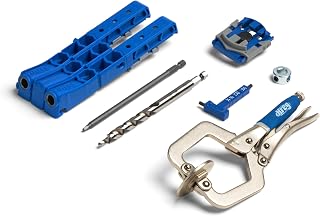
Kreg Pocket-Hole Jig 320
Check PriceOne common error is using the wrong screw type. Standard drywall screws will snap under the high shear force because they lack the proper ductility. Always use washer head or pan head pocket screws with a smooth shank. Another mistake is skipping the face clamp during assembly; pocket screws can shift the joint as they tighten. Spend a few seconds clamping the pieces together to guarantee a perfectly flush joint every time.
Many beginners also misjudge screw length. A screw that is too long will poke through the show face of the material, ruining the project. Use the chart that comes with your jig to match board thickness to screw size. When in doubt, test the combination on scrap; the screw tip should stop about 1/8 inch from the opposite surface.
Frequently Asked Questions
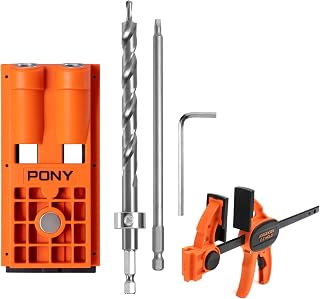
Pony Complete Pocket Hole Jig Set
Check PriceAre pocket hole joints strong enough for furniture?
Absolutely. A properly executed pocket screw joint in hardwood or plywood can hold hundreds of pounds. Many commercial cabinet shops rely on pocket hole joinery for face frames and case assembly. When combined with wood glue, the mechanical advantage of the screw creates a joint that outperforms dowels in some shear tests.
Can you use pocket holes in hardwood?
Yes, pocket hole joinery works in hardwoods like oak and maple, though you must adjust your drill speed. Hard, dense woods benefit from a slightly coarser pitched pocket screw designed for hardwoods. Lubricating the screw with a bit of wax reduces friction and prevents the head from snapping off during driving.
Do I need a special drill bit?
Yes, a pocket hole jig requires a stepped drill bit with a pilot point and a wide cutting shoulder. This bit simultaneously drills the screw shank hole and the flat bottomed pocket. Standard twist bits cannot create the counterbore seat needed for the screw head, so using the correct bit is essential.
What type of screws should I use?
Always use washer head pocket hole screws with a self tapping tip. They feature a smooth upper shank that spins freely in the top board, pulling the joint tight. Coarse thread screws are best for softwoods and plywood, while fine thread screws prevent splitting in hardwoods. Never substitute drywall or deck screws, as they lack the required shoulder.
Do I need to plug pocket holes?
Plugging is optional and mostly cosmetic. On painted projects, you can fill pockets with wood filler and sand smooth. For stained wood, purpose made pocket hole plugs cut from matching wood species blend almost invisibly. Kreg and other brands sell plug cutters and ready made plugs that sit flush with the surface.
Final Verdict: Is a Pocket Hole Jig Worth It?
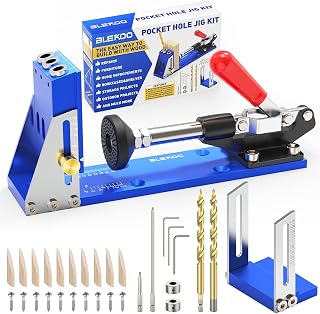
Upgraded Pocket Hole Jig Tool Kit
Check PriceFor anyone who enjoys building functional, sturdy projects, a pocket hole jig is one of the best investments you can make. It dramatically reduces assembly time and opens up joinery possibilities that feel like cheating. The learning curve is almost nonexistent, and even an entry level jig can produce rock solid cabinets and tables.
While no single tool can replace traditional joinery in every scenario, the pocket hole jig fills a massive gap between speed and strength. If you value efficiency and clean results without a shop full of clamps and routers, this tool belongs on your workbench. After hundreds of joints, we confidently say yes, it is absolutely worth it.
The community of woodworkers overwhelmingly agrees that a pocket hole jig is a must have tool for any shop building projects large and small. From quick home repairs to full kitchen cabinets, the speed and simplicity translate directly into more completed projects and less frustration. When you weigh the modest cost against the hours saved, the question isn’t if it’s worth it. It’s which jig fits your workflow best.
Disclosure: As an Amazon Associate, we earn from qualifying purchases at no extra cost to you. Our posts are created with AI tools and human editing.