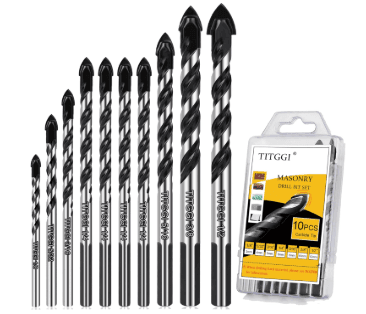
Drilling a perfectly angled hole without a guide often leads to wandering bits and splintered wood. An angle drill guide transforms a hand drill into a precise machine, ensuring repeatable results every time. This simple jig removes the guesswork from tasks like pocket holes, cable railing, and doweling.
Understanding the setup process is critical before you pull the trigger. A stable workpiece and the correct depth stop make the difference between a professional finish and a costly mistake. We will walk you through the essentials of using these portable tools safely.
Whether you are a weekend DIY enthusiast or a seasoned woodworker, mastering this skill saves time. You will learn how to secure the jig, adjust angles, and maintain your tool for longevity. Let’s dive into the setup.
Setting Up Your Angle Drill Guide
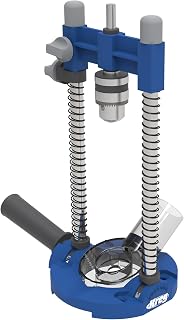
Kreg Drill Guide Pro KDG6500
Check PriceStart by matching the guide’s chuck capacity to your drill’s collar size. Most models feature a base that accepts standard 3/8 inch or 1/2 inch power drills. Securely lock the drill into the guide’s collar using the provided thumbscrews to prevent wobble.
Next, loosen the angle adjustment knobs located on the side of the guide. Align the index mark with your desired angle, typically between 0 and 60 degrees. You must ensure the base sits perfectly flat before tightening the lock.
Finally, insert your selected drill bit and set the depth stop. Always perform a test plunge to verify the bit does not hit the metal base. For more on straight holes, check out our guide on drilling perfectly straight lines.
Techniques for Precise Angled Drilling
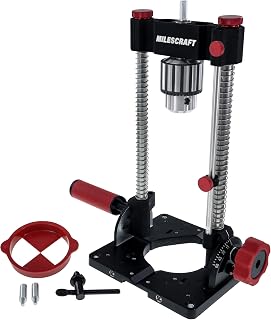
Milescraft 1348 Drill Mate PRO
Check PriceApplying consistent downward pressure keeps the guide from shifting during entry. Clamping the workpiece and the guide base is non-negotiable for safety and accuracy. Without clamps, the torque from the drill can cause the jig to walk across the surface.
Use a sacrificial backer board beneath your workpiece to minimize blowout. Engage the drill motor fully before the bit touches the material to maintain torque. Feed the bit slowly, letting the tool do the cutting rather than forcing it.
For repetitive angle tasks, use a physical fence or a stop block. This ensures identical hole placement across multiple boards. If you need a versatile block system, explore the Milescraft drill block options.
Benefits of Using Portable Angle Jigs
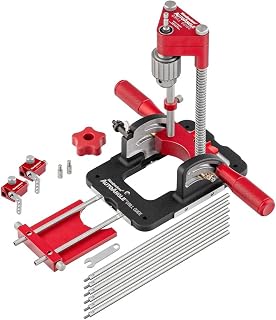
Woodpeckers AutoAngle Drill Guide Deluxe
Check PriceDrill guides bring the precision of a stationary drill press to the job site. You can carry this lightweight tool in a standard bag, making it ideal for on-site carpentry. It eliminates the fatigue and error associated with freehand angled drilling.
These tools are essential for installing hardware at compound angles. Tasks like chair joinery or deck railing become significantly easier with a reliable angle lock. The integrated bubble levels further ensure your alignment is plumb in two axes.
Many jigs offer removable bushings to extend tool life. Swapping a worn bushing is cheaper than replacing the entire base plate. Check out our reviews on the best portable drill guides to find durable options.
Maintaining Accuracy and Preventing Bit Wandering
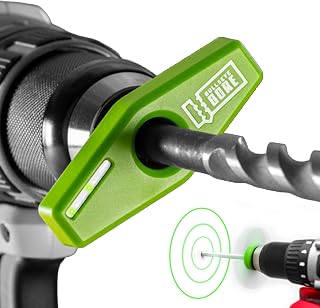
BullseyeBore Core CG1-101
Check PriceBit wandering happens when the guide is loose or the drill speed is too low. Keep the guide rods clean and lightly lubricated with a dry PTFE spray. Dust buildup on the shafts can cause stiction, ruining smooth plunge action.
Always use brad point bits when working with wood to seat the tip precisely. Replace bits that show any sign of a bent shank immediately. A wobbling bit will quickly ream out a guide bushing, destroying the jig’s tight tolerance.
Periodically check the calibration of the angle scale with a digital inclinometer. Dropping the guide can knock the settings out of alignment. For critical joinery connections, a verified angle is worth the extra step.
Advanced Applications
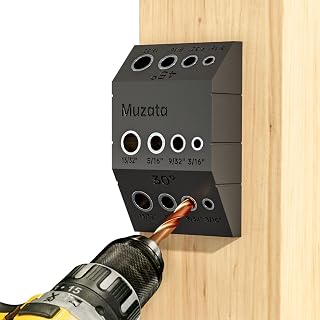
Muzata Upgraded Multi-Angle Cable Railing Drill Guide
Check PriceThis tool excels beyond simple straight holes. You can mill angled mortises by drilling overlapping holes and cleaning up with a chisel. The rigid guides maintain the cutting angle even under heavy lateral pressure from the bit.
Edge joining is safer when using a guide with a V-groove base. The grooved base self-centers on rounded stock like pipes or dowels. This grip prevents the drill from skating off the curved surface on the first revolution.
For thick timber framing, use an auger bit with a powerful high-torque drill. Ensure the guide’s stroke is long enough to clear the flutes. This setup proves superior to a cordless joiner for deep, angled peg holes.
Comparison with a Standard Drill Press
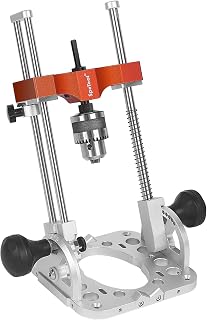
SpeTool Portable Drill Guide with Liner Ball Bearings
Check PriceA drill press offers unmatched repeatability but immobilizes the workpiece. An angle guide lets you bring the machine to the material. This is vital when working on installed cabinetry or tall furniture pieces.
A portable guide costs a fraction of a high-end bench model. It also occupies almost no floor space in a compact workshop. However, it relies on the user’s own drill motor for power and runout control.
Speed control becomes a manual process based on trigger feel. While a press has locked RPM settings, a guide demands operator experience. Use an external speed controller for large bits to prevent burning the wood.
Safety Protocols and Best Practices
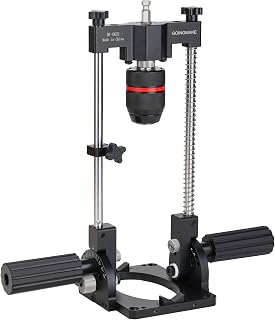
GOINGMAKE Portable Drill Guide
Check PriceNever operate a guide with one hand while holding the loose workpiece with the other. The combination of high RPMs and a grabbing bit can fracture a wrist. Always anchor the jig to the bench with screw clamps.
Wear safety goggles and respiratory protection when producing fine dust. The fixed position of the guide funnels debris upward into your breathing zone. Setting up a shop vac nozzle aimed at the bit exit solves this issue.
Disconnect the battery or unplug the drill before adjusting the angle or changing the bit. Accidental trigger pulls cause severe laceration injuries while your hand is near the bushing. Treat the guide with the same respect as a stationary machine.
Maintaining Your Drill Guide Jig
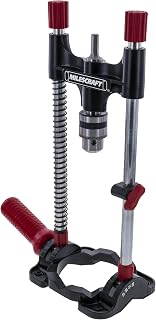
Milescraft DrillMate 1318
Check PriceLongevity depends on preventing rust and mechanical wear. Wipe down the steel guide rods with an oily rag after each session. This thin film defends against humidity and sticky sap residue.
Check the plastic base for hairline cracks near the clamping points. Over-tightening the lock knobs can stress the polymer. Replace worn non-slip pads on the bottom to restore friction on smooth surfaces.
Don’t ignore the bottom of the chuck collar. A burr inside the ring will scratch your drill housing. If the action feels gritty, disassemble the linear bearings and clean them. Expert reviews on drill jigs for straight holes highlight maintenance kits.
Choosing the Right Drill Bit for Angle Guides
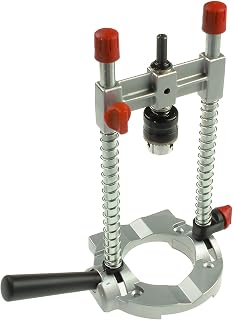
Richelieu Multi Angled Drill Guide
Check PriceThe guide’s bushing dictates the maximum shank size. Using a reduced shank bit allows large diameter holes in portable guides. Ensure the drill’s motor can handle the torque demand of a wide bit without stalling.
For angled pocket holes, a specialty stepped bit is mandatory. These bits create the pilot hole and the screw pocket in one plunge. A general purpose twist bit will not provide the required shelf for the screw head.
Sharpness significantly impacts the guide’s stability. A dull bit forces you to push harder, which lifts the base off the mark. Investing in a quality sharpener, as seen in our drill bit sharpener reviews, keeps your workflow safe.
Frequently Asked Questions
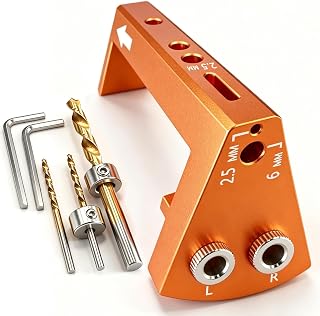
Undermount Drawer Drilling Guide
Check PriceCan an angle drill guide replace a drill press?
It serves as an excellent substitute for most woodworking tasks. While a press offers superior mechanical advantage for steel, a guide handles wood with ease. It brings portability that a heavy cast iron floor press simply cannot provide.
What materials can I drill into with this guide?
You can successfully drill wood, plywood, MDF, and some soft plastics. Aluminum is manageable with lubrication and slow speeds. Avoid hardened steel, as the guide’s rigidity isn’t designed for metalworking pressures.
How do I prevent the bit from clogging?
Use a peck drilling motion, plunging and retracting frequently. This clears chips from the flutes and cools the bit. Hardwoods like maple generate fine dust that packs tight, so slow down the feed rate.
Why does my guide slide on the wood surface?
The standard rubber base loses grip on fine sanding dust. Clean the bottom of the base with a tack cloth. For vertical applications, you must use mechanical clamps through the provided slots, not just friction.
Conclusion
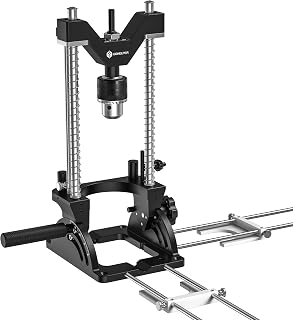
Portable Drill Guide with Guide Rod
Check PriceMastering how to use angle drill guide bridges the skill gap between amateur and professional results. The key lies in rigid clamping, proper speed control, and accurate initial setup. Your projects will display the consistency previously only attainable with stationary machinery.
We highly recommend the reviewed guides for their robust build quality and precision. Pairing these tools with sharp brad point bits will revolutionize your workshop efficiency. Remember, a locked guide is a safe guide, never skip the safety steps.
Ready to explore more power tool accessories? Visit our guide on the best drill drivers for optimal motor compatibility. For external reference, you can review safety standards at OSHA’s power tool guidelines.
Disclosure: As an Amazon Associate, we earn from qualifying purchases at no extra cost to you. Our posts are created with AI tools and human editing.